The Promise Hidden in a Story’s Opening
See how a story opening sets expectations through a question, image or disturbance, then use those signals to shape a beginning that leads into the plot.
What does a story opening promise you’ll keep noticing? In a mystery, a clock that strikes after it has stopped may direct your attention towards a contradiction; in a family drama, an untouched place at supper may point to an absence no one will name. A story opening sets expectations before the plot has explained itself.
That promise is not a pledge to deliver a particular twist. It is a signal about what kind of attention the story will reward. The opening might invite you to watch a character make a choice, read an unsettling image or follow an unanswered question. The pleasure comes when the story takes that invitation seriously, then changes what it means.
A story opening directs the reader’s attention
Readers do not need a complete account of the world in the first paragraph. They need a reason to notice what is happening. A vivid image gives a detail weight; a question starts a small pursuit; a disturbance interrupts an apparently ordinary situation. Each signal points attention in a different direction.
Consider a town clock tower. A description of its carved stone might suggest atmosphere or local history, while a clock that stops on the morning everyone claims to have heard it strike gives readers a discrepancy to hold on to. That discrepancy could lead towards a story about memory, deception or shared habit. The opening makes the question noticeable without settling its answer.
A hook catches attention; a promise suggests what the story will keep making meaningful. If the first scene lingers over a character’s careful lies, readers will watch those lies for consequences. If it foregrounds a difficult journey, they will look for changes brought about by movement, delay and arrival.
The opening question gives the plot a direction
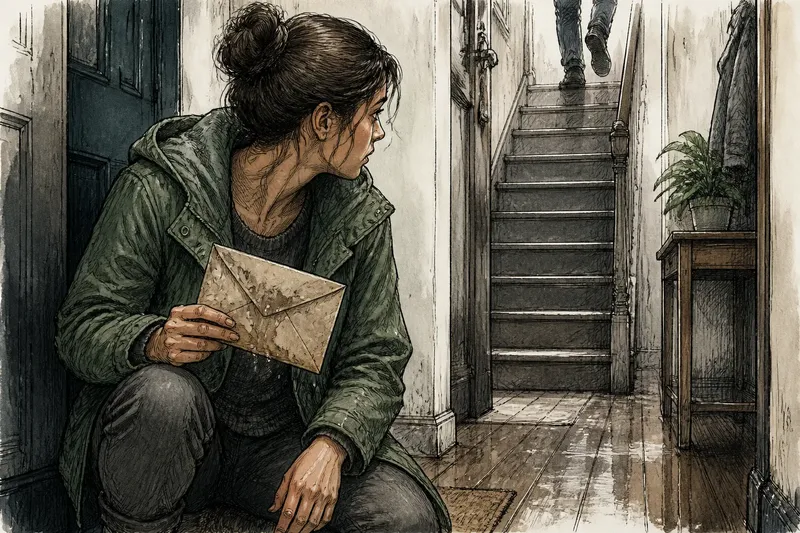
Not all opening questions pull the story in the same direction. “Who took the letter?” invites investigation. “Will she send it?” centres a decision. “Why does the orchard bloom in winter?” offers a mystery that might change how readers understand the story’s world. The question need not appear on the page; it can be the one a reader naturally asks.
Curiosity has an object: a locked drawer, a sudden refusal, a sound from an empty room. Confusion arises when readers cannot tell who is acting, what has changed or which detail matters. You can leave the cause uncertain while making the immediate situation clear.
Try putting the opening’s main question into one plain sentence. Then consider what later scene would make a reader feel the story had followed through. If the question is whether a character can be trusted, later choices and consequences should test trust; an unrelated explanation of the family tree will not answer it.
An opening image earns its place through change
An image can carry more weight than its physical description. A cracked bowl might matter because someone keeps using it, because it belonged to an absent relative or because it breaks during an argument. The story need not explain its meaning straight away, but the image should belong to a character’s lived situation.
Think of an image as a small object passed from hand to hand: its significance changes as characters use it, avoid it or disagree about it. Rain gathering in a boot may introduce close attention to physical discomfort. A map whose borders keep changing may prompt questions about who gets to define a place. Neither image has a fixed meaning; later scenes give it one.
During revision, note which details the opening asks readers to remember. A prominently placed object can return with altered meaning, or recede deliberately as the story moves elsewhere. If it disappears without consequence, readers may wonder whether they missed a thread.
A disturbance makes the situation move
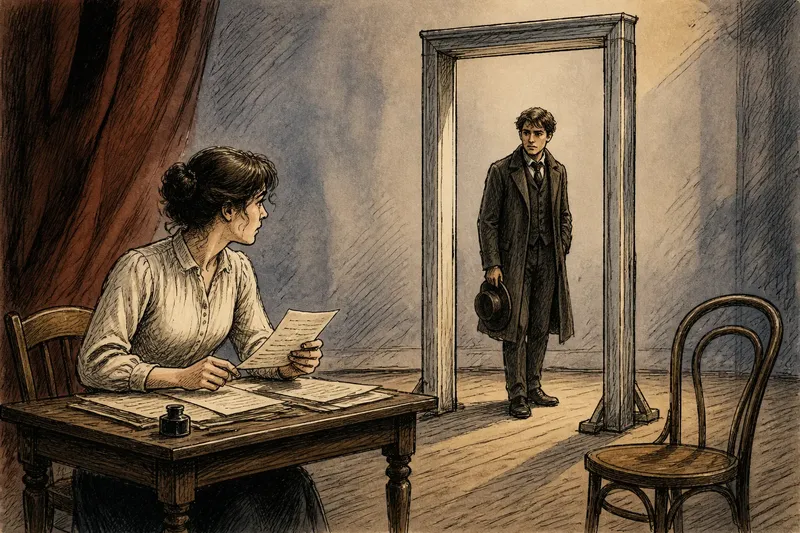
A disturbance need not be dramatic. A guest arrives early; a familiar task takes longer than expected; someone answers a question with silence. The change matters because the situation can no longer continue quite as before. Readers have a reason to wonder what the characters will do.
Disturbance and danger are not the same. A quiet mismatch might establish a story about estrangement, while a startling event suggests urgent action. Match the interruption to the story’s emotional reach. If a minor disruption gets an outsized response, show what vulnerable point it touches; if an explosive event is quickly ignored, the opening may have pointed towards a different story.
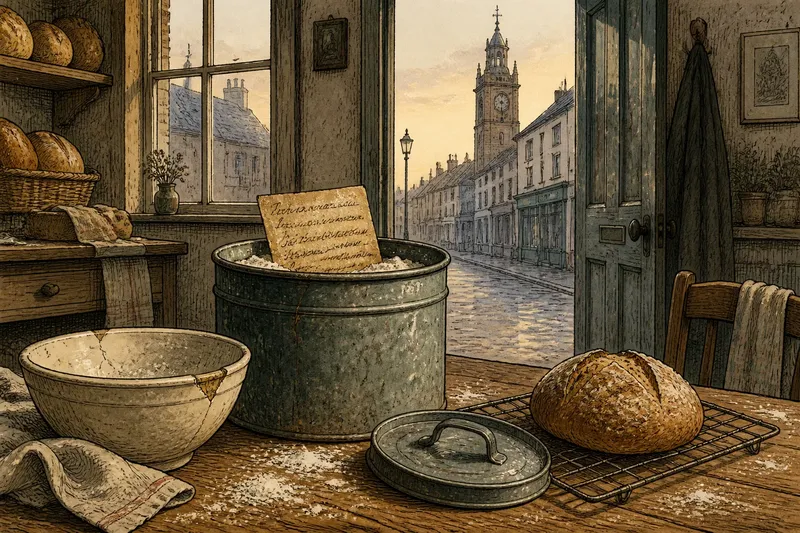
Imagine a baker who has decided to sell her shop finding a handwritten recipe in a flour tin. The handwriting belongs to her late father. She makes the recipe, then asks a former neighbour what her father used to bake for the family; the resulting conversation gives her a new reason to reconsider the sale. The recipe has started a plot because it changes what she does, not simply because it looks mysterious.
Follow the promise by changing its meaning
Following through does not mean giving readers exactly the answer they first guessed. A question can deepen, an image can shift in meaning, and a disturbance can lead somewhere less obvious than its surface suggests. What matters is that the story keeps engaging with the expectation it raised.
The first question can evolve. “Who left the recipe?” might become “Why did the family hide it?” and then “What does the baker want to preserve?” The reader’s attention moves from information towards consequence, while the opening remains part of the plot’s movement.
A story can also echo the opening’s pattern without repeating its exact detail. A tale that begins with a broken promise might later put its characters before a choice about keeping one. A character who misreads a sign might eventually have to decide whether to trust their interpretation. The echo makes the plot feel shaped rather than mechanically foreshadowed.
How can you tell what a story opening promises?
What question will readers ask first?
Look for the scene’s sharpest uncertainty, not every missing piece of information. A parcel with no sender, sisters who avoid one room or a character who may not return home can each link an observable detail to a possible consequence.
Does the opening give enough context to follow?
Readers can accept an unanswered mystery while still needing to know who is present and what has just changed. Make the immediate action legible, even if its cause or significance remains unsettled.
When should the story answer its first question?
Answer when doing so can create a more meaningful question, or when withholding the answer would make the characters’ choices hard to understand. An unanswered question earns its place only while it gives the reader something useful to anticipate.
Can an opening make several promises?
Yes, if its signals can belong to the same story. A family argument beside an unexplained locked room can offer emotional conflict and mystery, provided the plot lets those strands affect one another.
Revise a story opening by tracing its signals
Read the first scene once for events and once for emphasis. On the second pass, mark each detail that receives special attention: a repeated word, a pause, an object handled carefully or a question left unanswered. Then ask which details the story develops and which distract from its central promise.
Compare the opening with a later scene that carries the main conflict. Do they belong to the same narrative, even if the mood changes? A comic opening can lead into grief, and a serene image can precede upheaval, but the transition should reveal a connection rather than cancel the expectation without purpose.
If the opening feels crowded, keep the signal that best expresses the plot’s central pressure. One unanswered letter may hold attention better than a letter, a stranger at the window and a sudden storm competing for it. If the scene feels too quiet, a small choice with a cost may give it direction without changing its scale.
A story opening’s promise is a promise about attention: notice this question, image or disturbance, because the story will keep making it matter. To judge whether the beginning is doing its work, name what readers are asked to watch for, then trace how the plot carries that thread forward.